The airport was moving through another ordinary morning.
Passengers waited in orderly lines while security officers checked luggage and documents. Everything seemed routine.
At one checkpoint, an officer called the next passenger forward.
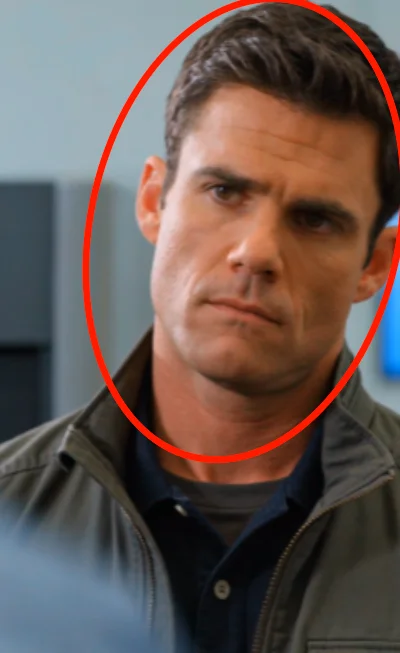
A professionally dressed man in his fifties approached with a suitcase.
“Please place it here.”
The man complied.
The officer opened the suitcase and began examining its contents. Inside were ordinary belongings—shirts, trousers, toiletries, and other personal items.
Nothing appeared unusual.
The officer continued searching.
Then, while the passenger briefly looked away, the officer made a subtle movement near the suitcase.
A few seconds later, he reached between the clothes and pulled out a small sealed packet containing an unidentified white substance.
His expression changed immediately.
“Well, this is interesting.”
Several people nearby turned to look.
The passenger remained remarkably calm.
He studied the packet, then looked directly at the officer.
“You’ve made a serious mistake,” he said.
The officer responded with a confident smile.
But the passenger reached inside his jacket and produced official identification.
“I am a federal investigator.”
The atmosphere changed instantly.
The officer stared at the identification, apparently realizing that the situation was very different from what he had expected.
Within minutes, supervisors secured the checkpoint and separated the people involved.
The passenger remained cooperative while investigators began reviewing what had happened.
Security footage was examined carefully.
Frame by frame.
The cameras had captured the checkpoint from several angles.
Eventually, investigators found the critical moment.
The footage appeared to show the officer placing the packet inside the suitcase before later discovering it.
What initially looked like a routine security incident had become an investigation into possible evidence tampering and abuse of authority.
The officer was removed from duty while the case was reviewed.
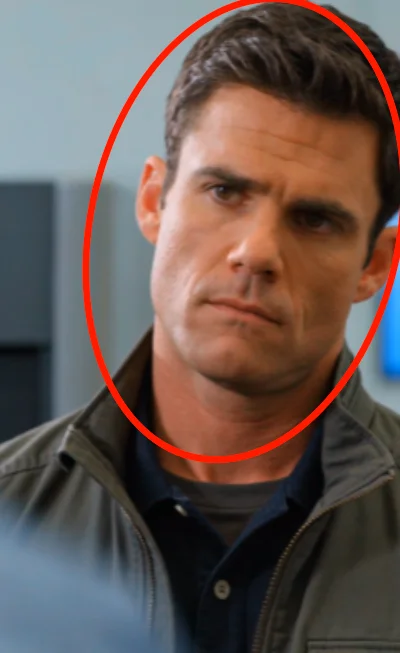
Several Weeks Later
The matter reached court.
The evidence included surveillance footage, official records, and statements from witnesses who had been present at the checkpoint.
The judge examined the material carefully.
The officer’s defense attempted to challenge parts of the investigation, but the recorded footage remained central to the case.
Eventually, the court reached its decision.
The officer was found responsible for serious misconduct related to the incident.
His career in airport security was over.
Outside the courthouse, reporters waited for the investigator involved in the case.
As he walked past, someone called out:
“Why didn’t you simply walk away?”
He stopped for a moment.
Then he answered calmly.
“Because people who abuse authority depend on others being too afraid to question them.”
He continued walking.
The case became a reminder that authority does not place anyone above accountability.
And sometimes, the most important witness is simply a camera that never looks away.