The Morning of Truth
The morning air was bitterly cold as a pale fog settled over the royal square. Citizens gathered in uneasy silence, watching the wooden platform at the center of the courtyard.
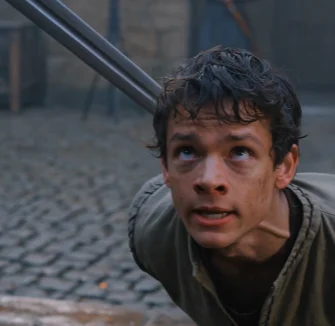
There knelt a young man, his wrists bound, his clothes worn from hardship. Though exhausted, he held his head high, his expression calm and determined.
From the balcony above, the king observed the proceedings. To him, the prisoner had been accused of betrayal against the crown, and judgment was expected to be carried out without delay.
“Proceed,” the king ordered.
Before the sentence could be fulfilled, the young man raised his voice.
“Your Majesty, before you decide my fate, hear one truth: if I am guilty, then you have condemned your own blood.”
A wave of surprise moved through the square.
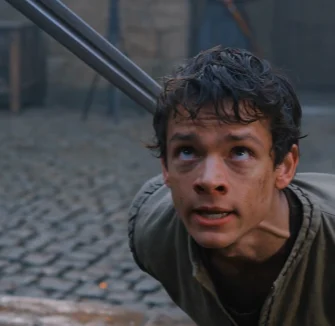
The officials hesitated, and the king’s expression changed for the first time.
“Explain yourself,” he said.
The young man met his gaze steadily.
“Ask the queen what happened during the months she disappeared from the palace years ago.”
The square fell silent.
Few dared speak of that mystery. The queen had vanished for a time, then returned with little explanation. The matter had long been buried beneath years of courtly rumor and political convenience.
The king descended from the balcony and approached the platform.
“How do you know of this?”
“Because my mother told me,” the young man replied. “She said she was taken away and forced to live under another name. She feared that returning openly would place both her and her child in danger.”
“What child?”
“Me.”
Murmurs spread through the crowd.
The king remained unconvinced, but the young man carefully removed a small bundle of fabric from the lining of his sleeve. Inside rested an old signet bearing an earlier version of the royal crest.
The king stared at it in disbelief.
“I gave this to the queen before she disappeared,” he said quietly.
“She told me never to show it unless my life depended on it,” the young man answered.
For a long moment, the king said nothing.
Then he ordered the guards to remove the young man’s restraints.
“What is your name?” the king asked.
“Eryon.”
The name struck him like an echo from the past. Years earlier, the queen had once spoken of the name she would choose if they ever had a son.
As the realization settled in, the king’s voice softened.
“I believed the wrong story,” he admitted. “I allowed anger to replace truth.”
The young man said nothing. His silence carried years of loss and uncertainty.
Then, in front of the entire square, the king bowed his head slightly.
“I was mistaken.”
Gasps rose from the crowd.
The king placed a hand on Eryon’s shoulder.
“You will not be punished today. Instead, you will be welcomed as a member of this family and this kingdom.”
Relief filled the young man’s eyes.
For a brief moment, the noise of the square faded away. There was no throne, no accusation, and no crowd—only a father and a son standing face to face after years of separation.
Ending
In the years that followed, people throughout the kingdom remembered that cold morning not as a day of punishment, but as the day a ruler chose truth over pride.
And the young man who had once stood alone before the court became the person who reminded the king that wisdom begins with the courage to admit a mistake.