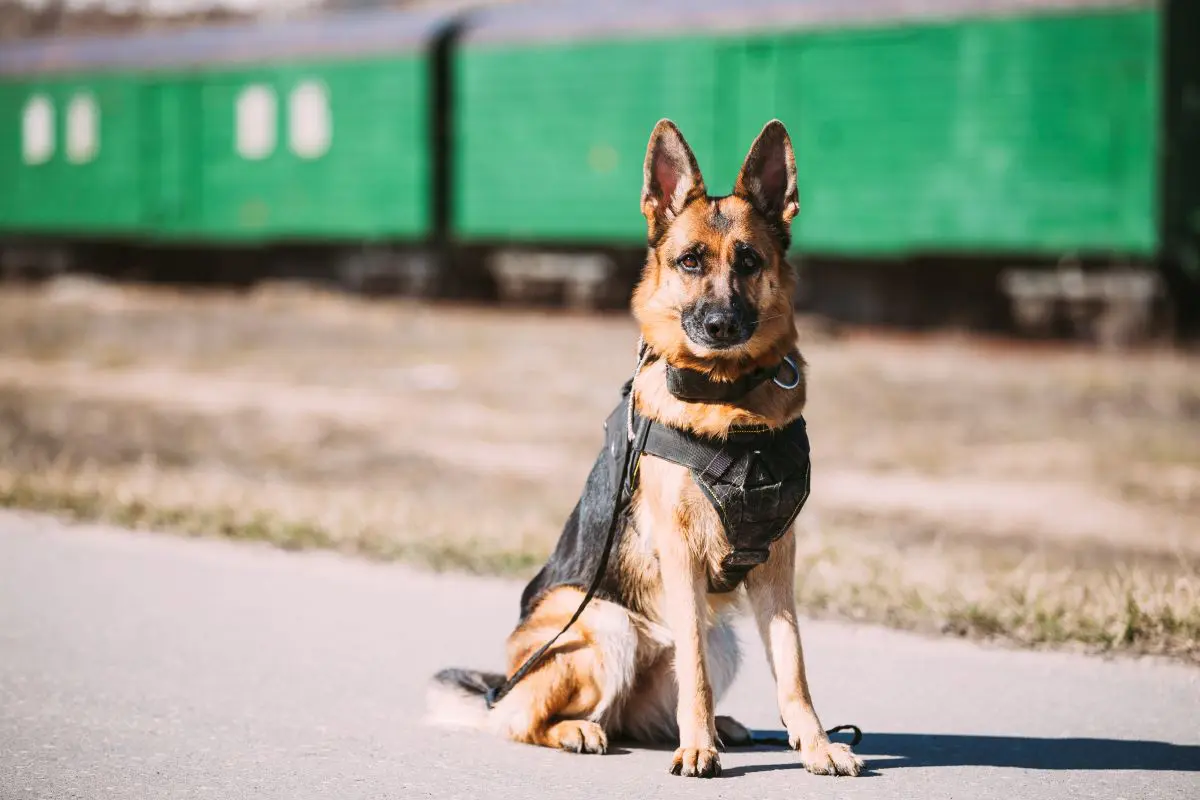
In one European country, a police service dog named Rex spent years working side by side with his handler. Their days followed a familiar routine—training sessions, patrols, search exercises, and countless hours of teamwork. Over time, they developed the kind of trust that service dogs and their handlers rely on every day.
For a working dog, the handler is more than someone who gives commands. Through daily training and shared experiences, a strong bond can form, built on consistency, care, and cooperation.
Eventually, Rex’s longtime handler retired from active service. As is common in many police departments, Rex was assigned to a new handler so he could continue his work. The transition took time. Like many service dogs adapting to change, Rex had to learn new routines and build trust with a different partner. Gradually, he settled into his new role and continued serving with professionalism.
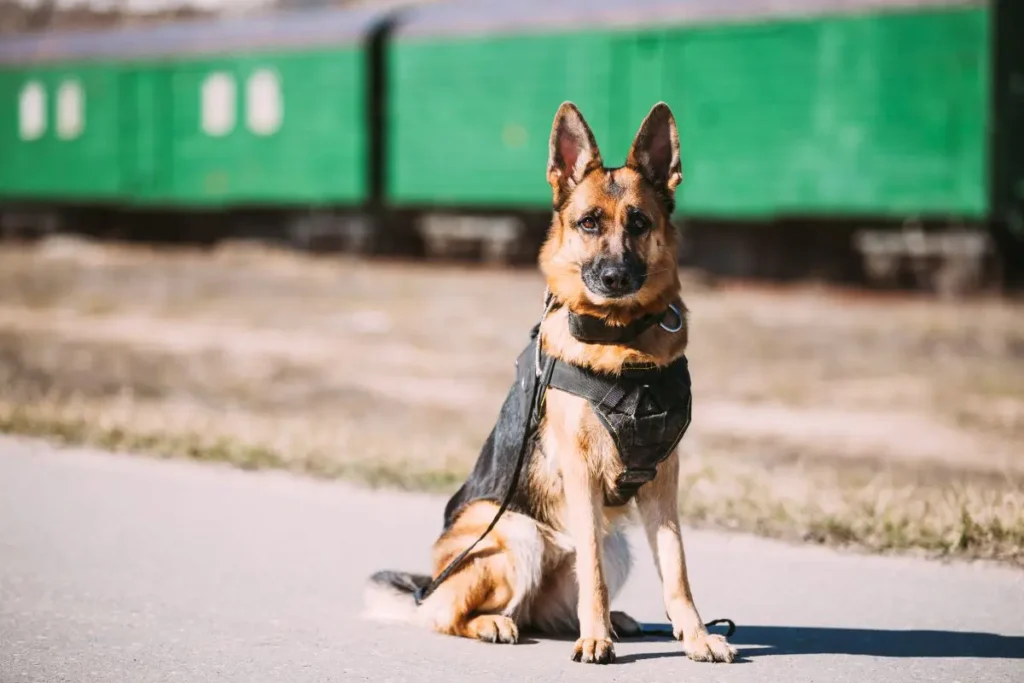
Almost two years later, something unexpected happened.
During a routine patrol, Rex noticed a familiar figure walking along the street. It was his former handler.
For a brief moment, the dog stood still, seemingly focused on the person in the distance. Then, overwhelmed with recognition and excitement, Rex eagerly moved toward his former partner as soon as it was safe and possible to do so. His joyful behavior—wagging his tail, whining with excitement, and seeking close contact—made it clear that he remembered someone who had once been an important part of his daily life.
The officers nearby were surprised at first, but they quickly realized what had happened. Even after years apart, Rex appeared to recognize the person with whom he had spent so much of his working career.
Animal behavior experts note that dogs have remarkable abilities to recognize familiar people. They rely not only on scent, but also on voice, body language, facial features, and other cues. Research suggests that many dogs can remember significant people for long periods, particularly those with whom they formed strong, positive relationships.
For service dogs, these connections can be especially meaningful. Their work depends on trust, routine, and close cooperation, making the relationship with a handler an important part of their daily lives.
Whether every detail of stories like this can be independently verified or not, they reflect something widely observed by trainers and handlers alike: dogs are capable of forming deep, lasting bonds with the people who care for and work alongside them.
Rex’s story is a reminder of the loyalty, memory, and companionship that have made working dogs valued partners for generations. It highlights not only the dedication of service animals but also the unique relationships that can develop between humans and the dogs who serve beside them.